Building an Emergency Fund from Scratch: A Realistic 90-Day Plan
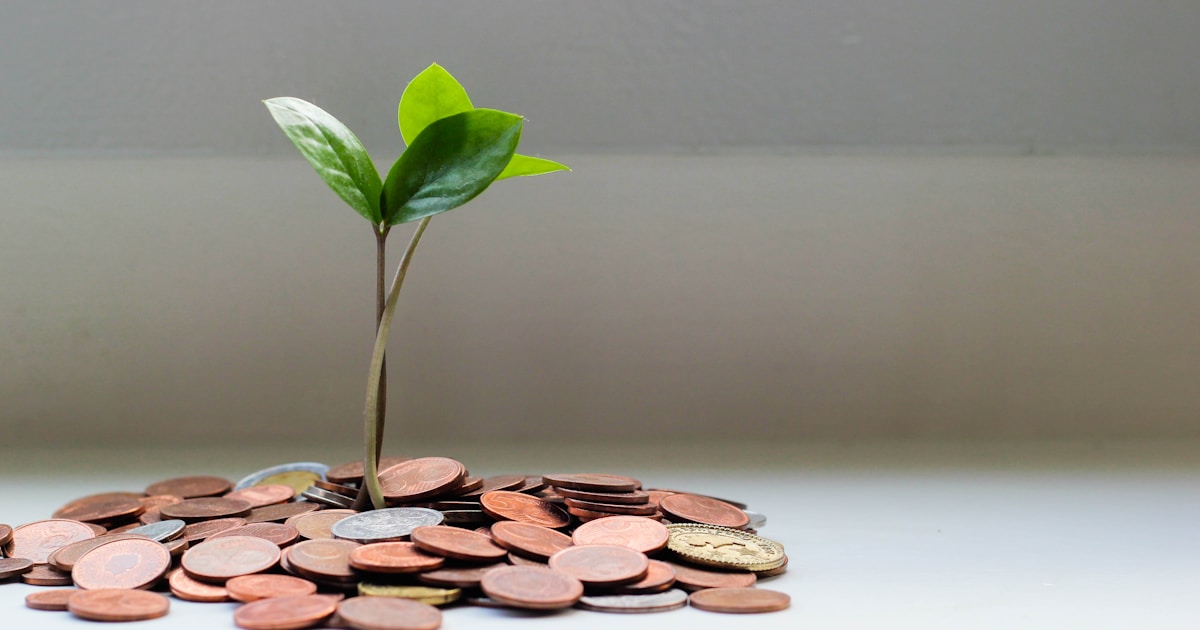
Life's surprises rarely check your bank balance first. A sudden flat tire, a medical copay, or an unexpected trip to see family can send even the most disciplined budget off the rails. An emergency fund acts as your personal shock absorber, yet a 2024 Bankrate survey found that 57 percent of Americans still cannot cover a $1,000 setback without borrowing. This article maps out a doable, three-month path from zero to safety cushion, designed for households who feel they have no "spare" money left at month's end.
Reframe "Saving" as a Bill You Owe Yourself
The first psychological hurdle is treating your emergency fund like rent or electricity: mandatory, not optional. Open a free high-yield savings account online, nickname it "Rainy-Day Fund," and schedule an automatic transfer the morning after every paycheck. Even $25 per deposit compounds quickly—what matters is the discipline, not the dollar amount.
"Do not save what is left after spending, but spend what is left after saving." — Warren Buffett
Audit the Small Leaks, Not the Lattes
Cutting expenses doesn't require a monastic life. Instead of the tired "skip coffee" advice, run a 15-minute subscription audit. Streaming services, forgotten app renewals, and premium delivery memberships often total more than $60 a month. Cancel two of them and redirect that money to the new account. You'll hit $180 by the end of month one with zero lifestyle pain.
💡 Quick Tips
- Check all auto-renewing subscriptions
- Cancel at least two unused memberships
- Transfer the savings immediately to your emergency fund
Turn Decluttering into Cash Flow
Month two focuses on boosting income without extra shifts. List three unused items—electronics, outgrown baby gear, old textbooks—on Facebook Marketplace each weekend. National Resale Network data shows the average item sells for $35; four weekends can net $400. Deposit every dollar into the fund the moment payment clears so it never tempts your checking balance.
Items You Can Sell:
- Old phones and electronics
- Brand-name clothes you no longer wear
- Unused fitness equipment
- Books you've already read
- Collectibles and figurines
- Baby items and toys
Lock In the Habit with a Celebration
By the start of month three, momentum replaces motivation. You've likely crossed $600–$800 already. To push past $1,000, redirect any upcoming windfalls—tax refunds, health-insurance rebates, or credit-card cash-back bonuses—straight to the account. When you hit your target, mark the win: cook a special dinner or spend a small percentage on something joyful. The celebration cements the habit and reminds you that saving is a means to richer experiences, not deprivation.
🎯 90-Day Goals
Common Obstacles and How to Overcome Them
"I don't make enough money to save." Start with $5 per paycheck. The amount is less important than building the habit. Once automatic transfers become normal, gradually increase the amount.
"I keep dipping into my savings." Open your emergency fund at a different bank from your checking account. Make it slightly inconvenient to access—no debit card, no ATM withdrawals.
"Something always comes up." That's exactly why you need the fund. Distinguish between true emergencies (medical bills, car repairs, job loss) and wants (new phone, vacation, dining out).
What Counts as an Emergency?
✅ True Emergencies
- • Medical expenses
- • Car repairs needed for work
- • Job loss
- • Emergency home repairs
- • Unexpected travel for family
❌ Not Emergencies
- • Holiday gifts
- • Vacation expenses
- • New electronics
- • Dining out
- • Subscription services
Summary
At 90 days, you've built more than a fund—you've built resilience. Keep the automatic transfers running and watch the balance climb toward a true three-month cushion. Future you will thank present you for every boring dollar saved.
Disclaimer: This article is for informational purposes only and does not constitute financial advice. Everyone's financial situation is different. Please make decisions based on your own circumstances or consult a financial professional.


